

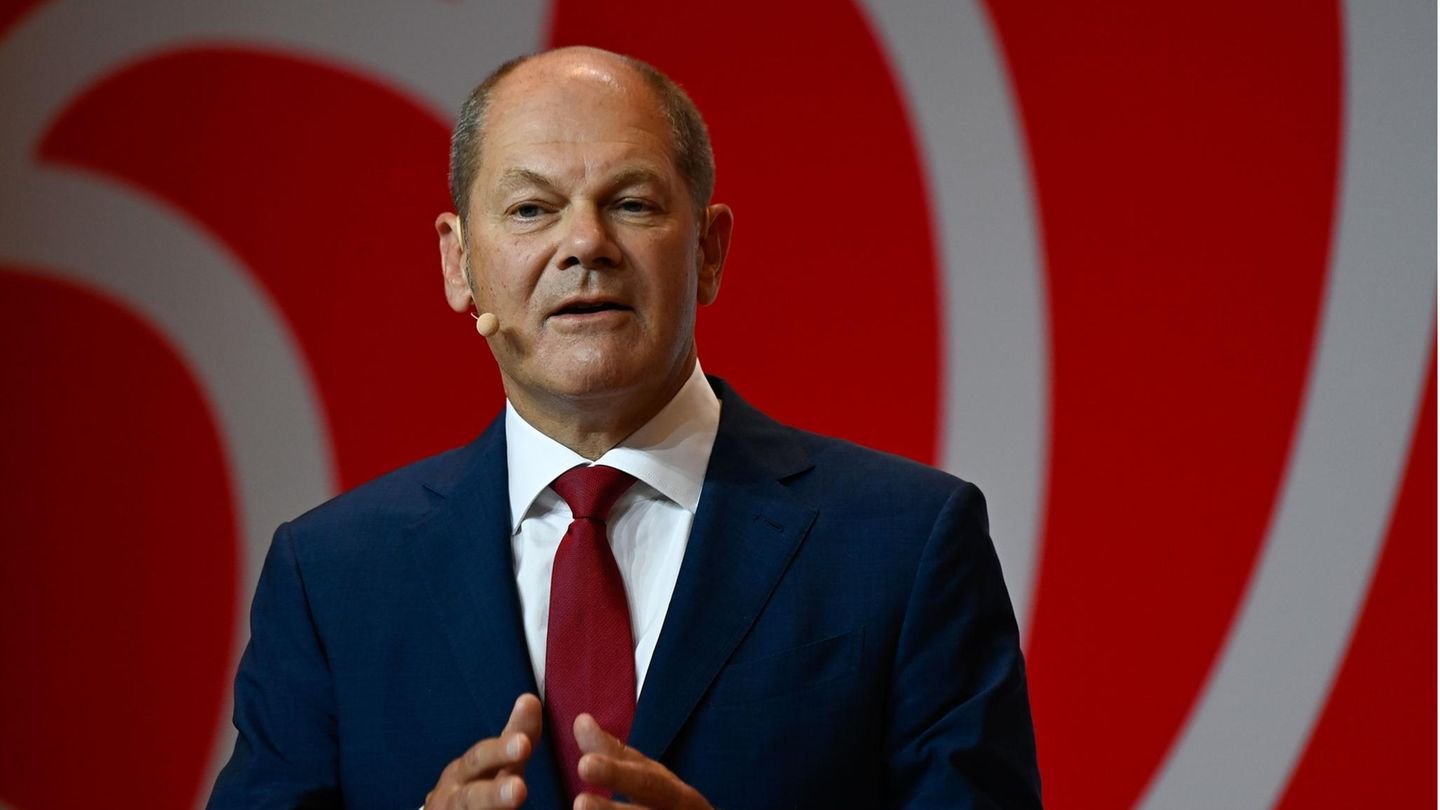
The phrase “olaf scholz schlaganfall” combines the name of Olaf Scholz with the German word “Schlaganfall,” which means stroke in English. When people search this phrase, they are usually asking one clear question: Did Olaf Scholz suffer a stroke?
This keyword started trending because many users saw it mentioned on social media, forums, and short video platforms. In most cases, these searches are driven by concern, confusion, or curiosity, not confirmed news. Health-related keywords connected to political leaders often spike when something unusual happens, even if it is unrelated to illness.
Table of Contents
Who Is Olaf Scholz and Why His Health Matters
Olaf Scholz is the current Chancellor of Germany and one of the most powerful political figures in Europe. Because of his position, even small personal details about his life quickly become public discussion. When people search for olaf scholz schlaganfall, it is not only about health curiosity. It is also about political stability, leadership trust, and Germany’s role in global decisions.
World leaders are often expected to appear strong, alert, and consistent. When something looks unusual, such as a visible injury or change in routine, people start asking questions. This does not mean something serious happened, but public attention tends to jump ahead of facts. In Scholz’s case, his calm personality and low-key style already make some people misread normal behavior as a problem.
Health concerns around leaders matter because citizens want reassurance. They want to know their country is being led by someone capable, healthy, and present. That is why rumors like Olaf Scholz Schlaganfall spread quickly, even without medical proof.
Did Olaf Scholz Have a Schlaganfall? Facts vs Rumors
There is no confirmed medical report stating that Olaf Scholz suffered a Schlaganfall, which means a stroke. Official government sources and reputable news organizations have never announced such a diagnosis. This is an important point that often gets lost in online discussions.
What actually happened is much simpler. Olaf Scholz had a jogging accident that caused facial bruising. He appeared publicly with visible injuries, which led to speculation. Some online users wrongly connected these images to stroke symptoms, even though bruises from a fall and neurological symptoms are completely different things.
Here is a simple comparison to understand the confusion:
| Fact | Rumor |
|---|---|
| Jogging accident | Claimed stroke |
| Facial bruising | Neurological damage |
| Public explanation given | No medical evidence |
Once the rumor started, search behavior amplified it. The keyword olaf scholz schlaganfall gained momentum because people kept repeating the question, not because new facts appeared.
What Is a Schlaganfall (Stroke)? Easy Explanation
A Schlaganfall, or stroke, happens when blood flow to the brain is suddenly blocked or when a blood vessel in the brain bursts. This can cause symptoms such as speech problems, weakness on one side of the body, confusion, or loss of balance.
Strokes usually come with clear medical emergencies and require immediate hospital care. In most cases involving public figures, a real stroke would be officially communicated because it affects leadership duties. This is another reason why the Olaf Scholz Schlaganfall claim does not align with reality.
Not every physical change or injury is linked to a stroke. Bruises, fatigue, or calm behavior are often misinterpreted online, especially when medical terms are used without understanding.
Why Health Rumors Spread So Fast About Leaders
Health rumors spread faster today because of social media, short videos, and headline-driven news consumption. People often see a single image or phrase and jump to conclusions without context. When the keyword olaf scholz schlaganfall appeared, it triggered emotional reactions instead of careful reading.
Another reason is language confusion. Many non-German speakers do not fully understand the word Schlaganfall. They may see it translated incorrectly or used out of context, which adds to misinformation.
In political environments, health rumors are also sometimes used to question authority or leadership strength, even when there is no evidence.
Media Responsibility and Public Misinformation
Responsible journalism relies on verified facts, medical confirmation, and official statements. The problem starts when unverified claims are repeated by blogs, forums, or social posts without checking sources. Once misinformation is indexed by search engines, it becomes harder to correct.
This is why readers should always pause before believing health-related headlines. Searching olaf scholz schlaganfall should lead to clarity, not fear. Fact-based content helps balance public understanding and prevents unnecessary panic.
Frequently Asked Questions About Olaf Scholz Schlaganfall
Many people ask if Olaf Scholz really suffered a stroke, but there is no official confirmation or medical report supporting this claim. All reliable information points to a non-medical injury caused by a jogging accident.
Some readers wonder why the term “Schlaganfall” appears so often with Olaf Scholz’s name. This happens because online speculation spread faster than corrections, and search algorithms amplify repeated questions.
Others ask whether Olaf Scholz is still fit to serve as Chancellor. Based on public appearances, official schedules, and government communication, he continues to perform his duties normally.
A common question is whether bruises or eye injuries are signs of a stroke. Medical professionals confirm that external bruising from a fall is not a symptom of a Schlaganfall.
People also ask how to tell real health news from rumors. The safest approach is to rely on official statements, trusted news outlets, and medical experts instead of social media speculation.
Key Takeaways
The keyword olaf scholz schlaganfall reflects public curiosity, not confirmed medical reality. There is no evidence that Olaf Scholz suffered a stroke. Understanding context, language, and verified facts helps avoid unnecessary confusion. In the age of fast information, clarity matters more than speed.
Mher Lesson: solica casuto
